- 28 Days
Itinerary Overview
- Duration: 28 days
- Distance: Approx. 300+ km
- Highest Point: Around 5,300 meters (17,400+ ft)
- Best Season: Mid-September to October (after monsoon, before snow blocks passes)
Day 01: Arrive at Paro
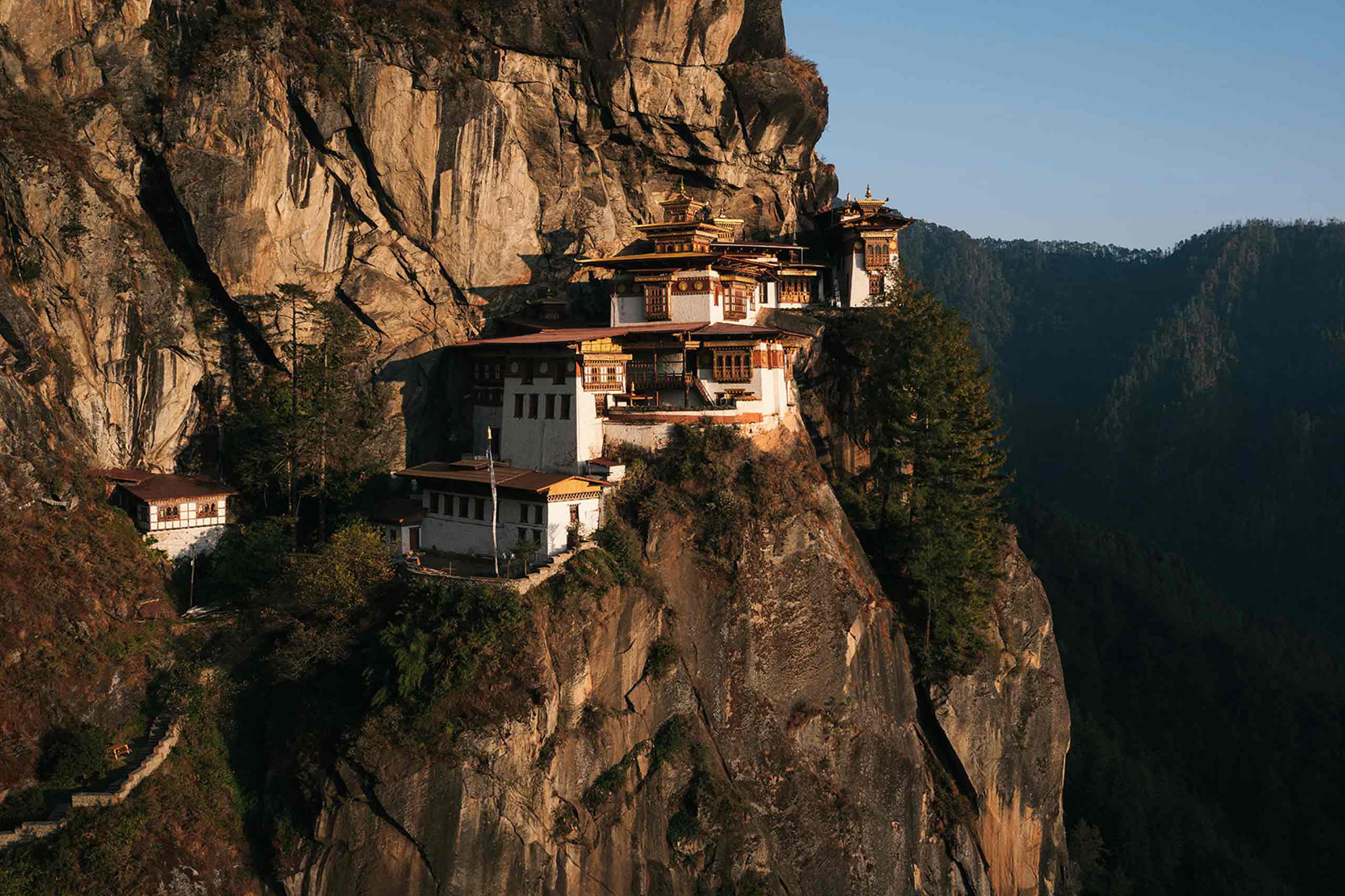
Day 02: Acclimatization hike to Tigers Nest
Day 03: Paro – Thimphu
Day 04: Thimphu – Punakha
Day 05: Punakha – Damji (8kms, 5-6 hours)
Day 06: Damji – Gasa (15kms, 5-7 hours)
Day 07: Gasa – Chamsa (13kms, 6-7 hours)
Day 08: Chamsa – Laya (22kms, 8-9 hours)
Day 09: Laya
Day 10: Laya – Rhodophu (19kms, 8-9 hours)
Day 11: Rhodophu – Narithang (17kms, 5-6 hours)
Day 12: Narithang – Tarina (18kms, 5-6 hours)
Day 13: Tarina – Woche (17kms, 6-7 hours)
Day 14: Woche – Lhedi (17kms, 6-7 hours)
Day 15: Lhedi – Thanza (18kms, 7-8 hours)
Day 16: Thanza
Day 17: Thanza – Tshorim (19kms, 8-9 hours)
Day 18: Tshorim – Gangkar Puensum Base Camp (16kms, 6-7 hours)
Day 19: Gangkar Puensum Base camp
Day 20: Gangkar Puensum Base Camp – Geshe Woma (14kms, 6-7 hours)
Day 21: Geshe Woma – Warathang (18kms, 8-9 hours)
Day 22: Warathang – Dhur Tshachu (14kms, 5-6 hours)
Day 23: Dhur Tshachu – Tsho Chem Chem (16kms, 8-9 hours)
Day 24: Tsho Chem Chem – Dhur – Bumthang (21kms, 13 hours)
Day 25: Bumthang
Day 26: Bumthang – Trongsa
Day 27: Trongsa – Thimphu
Day 28: Thimphu – Paro (Departure)

Detailed Itinerary
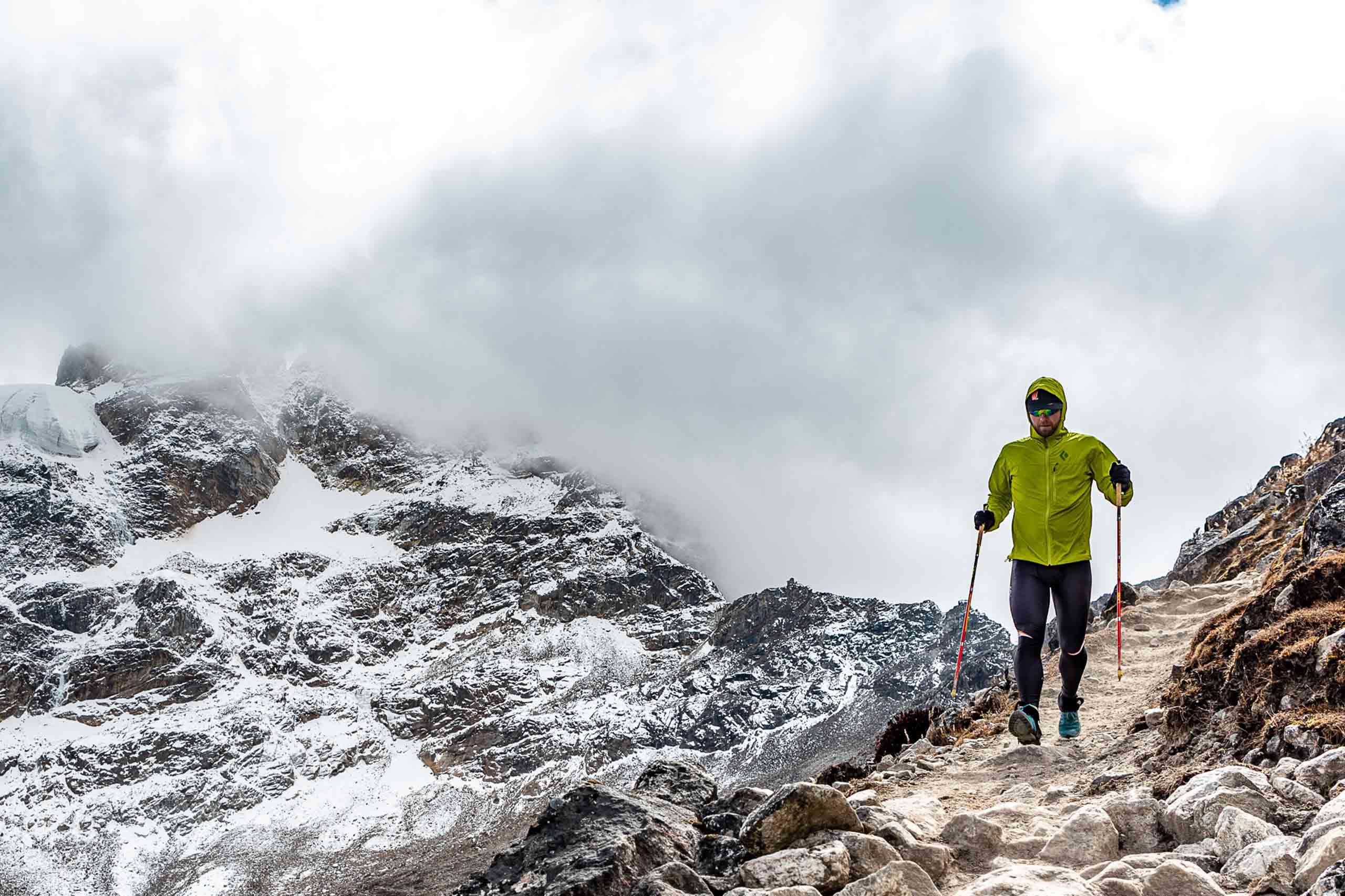
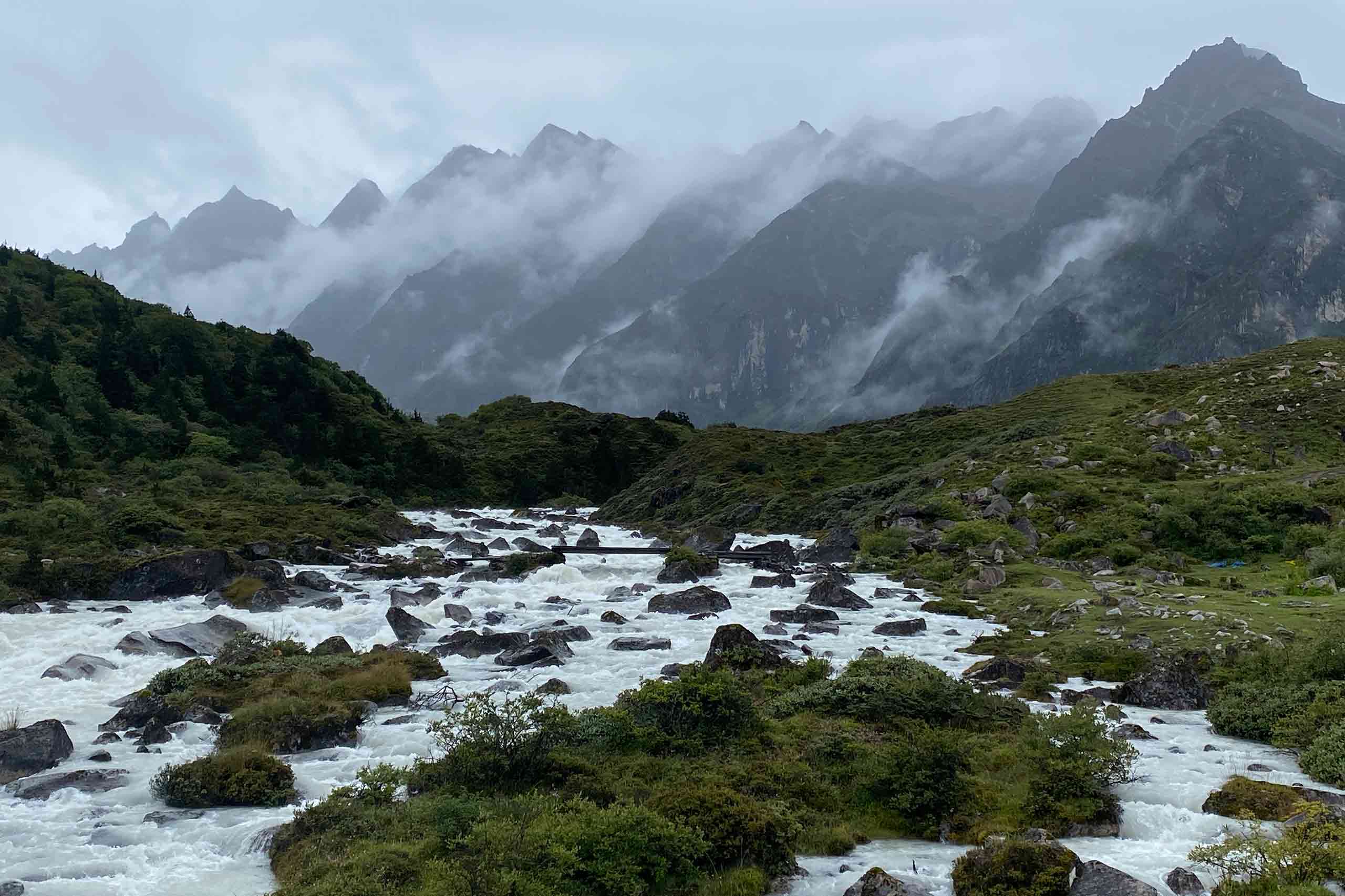
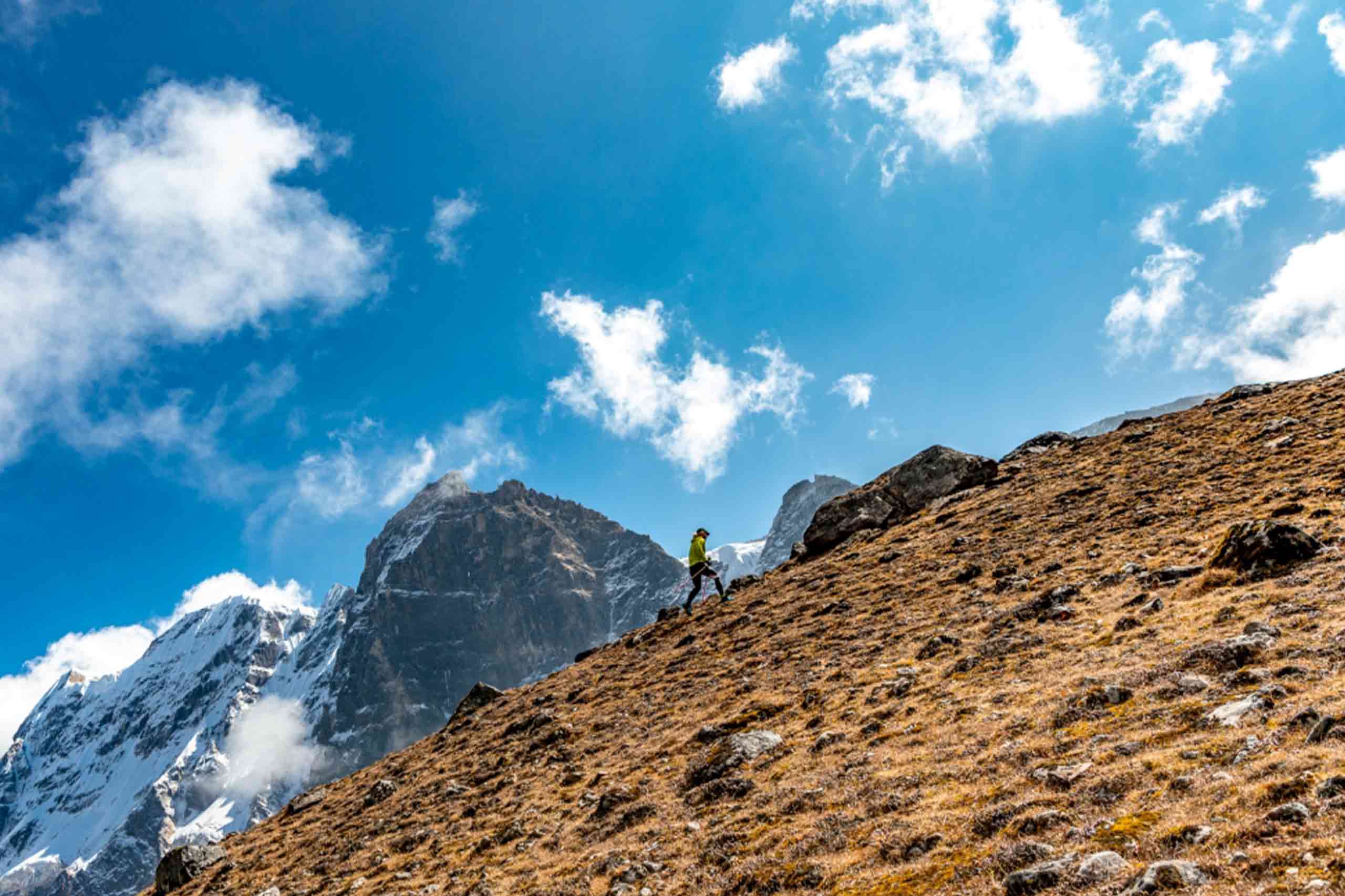
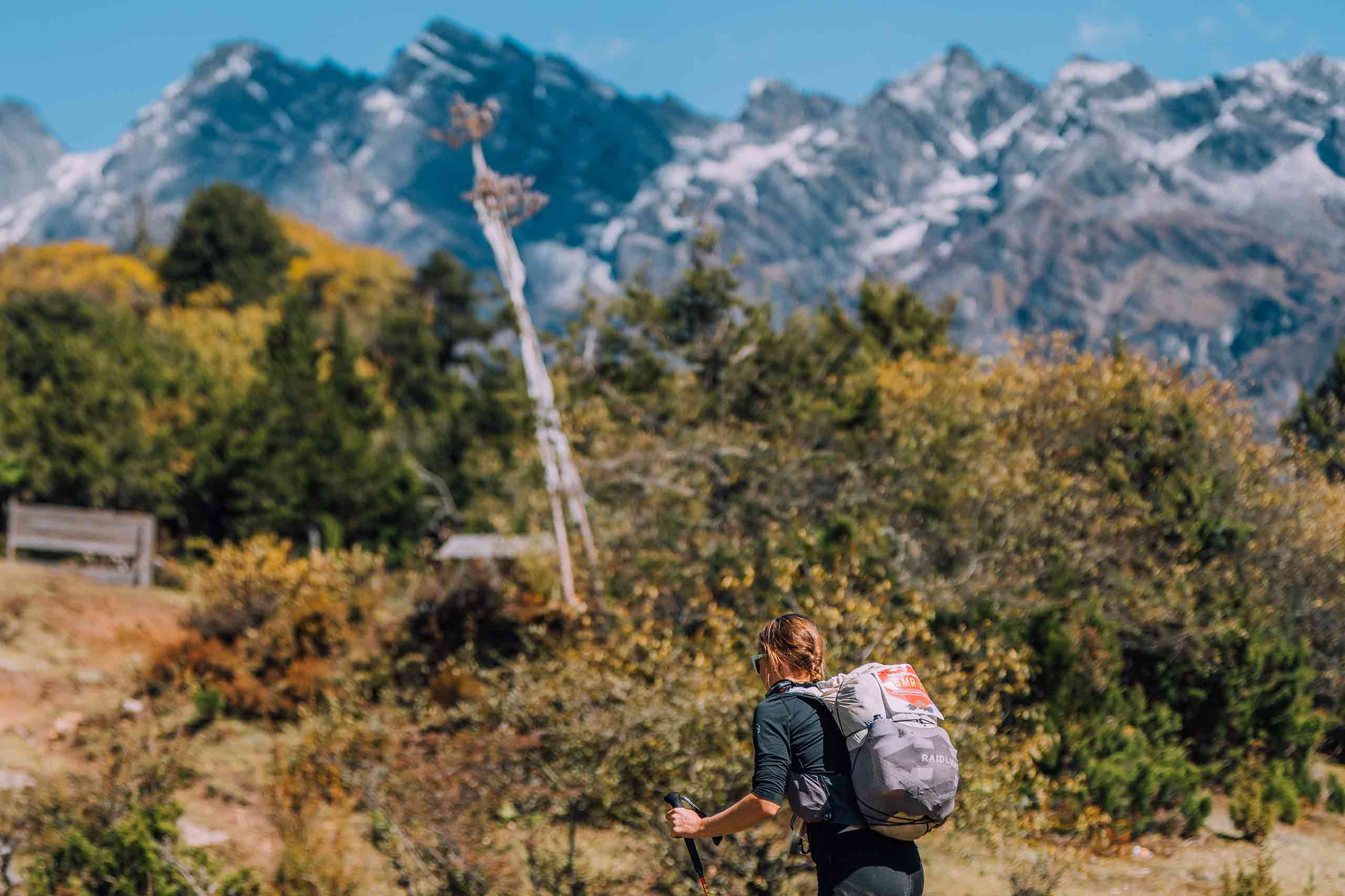
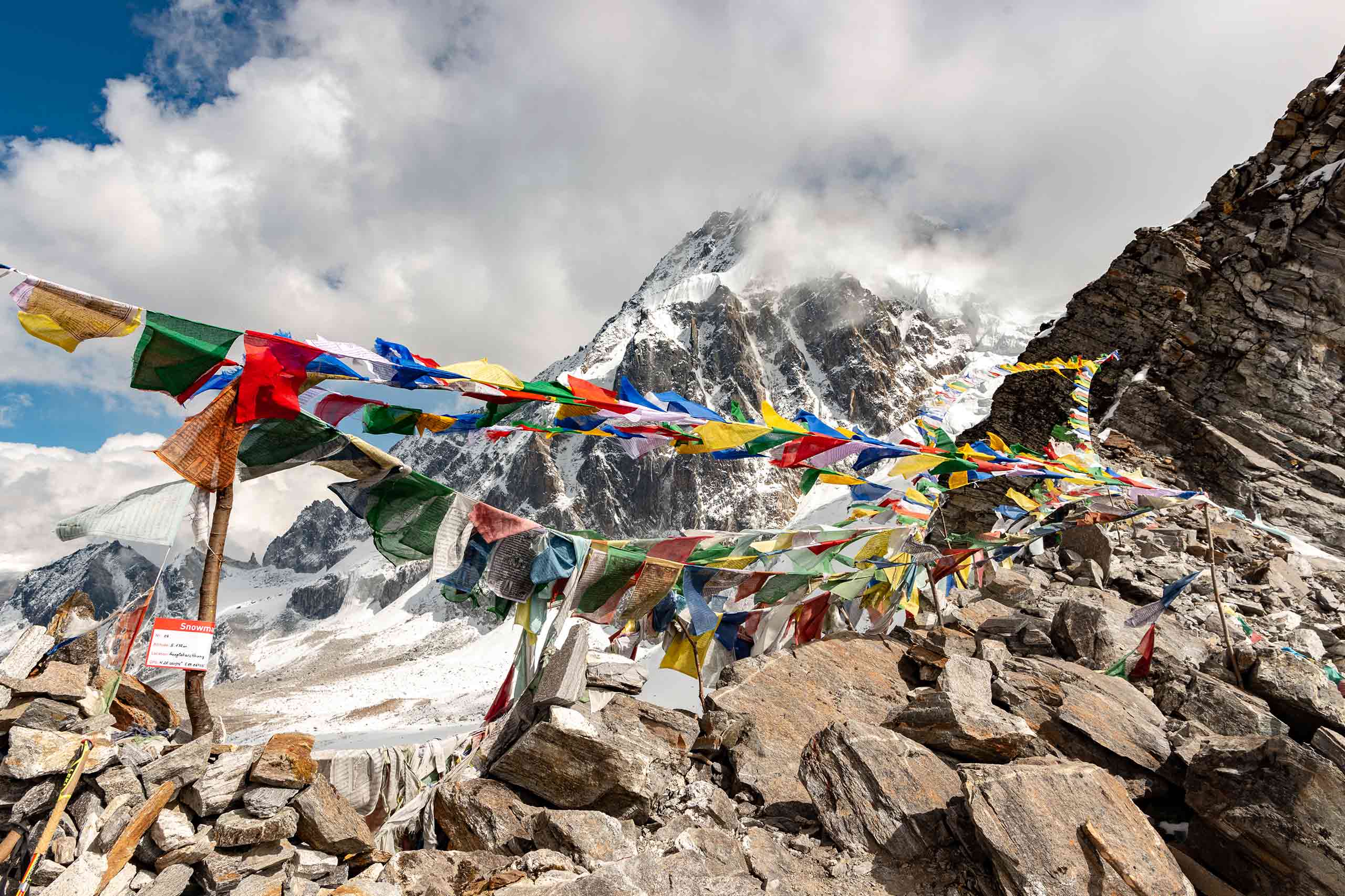
The Snowman Trek in Bhutan is one of the world’s toughest and most remote high-altitude treks in the entire Himalayas. The trail follows Bhutan’s northern border with Tibet, crossing 13 high mountain passes—some exceeding 5,000 meters. Along the way, trekkers are rewarded with breathtaking views of towering peaks, including Jhomolhari, Jichu Drake, Masagang, Tiger Mountain, and the sacred Gangkar Puensum.
Your journey begins with a scenic flight offering views of Everest, Kanchenjunga, and Bhutanese peaks like Jhomolhari. After arriving in Paro, you’ll be welcomed and transferred to your hotel. After lunch, we will visit the National Museum (Ta Dzong), the historic Rinpung Dzong, and the ancient Kyichu Lhakhang temple. In the evening, we will explore Paro’s local market and cafes.
Overnight stay at a hotel in Paro
After breakfast, hike to the iconic Taktsang Monastery (Tiger’s Nest), perched dramatically 900 meters above the valley floor. The 1.5–2 hour uphill trek offers stunning views; horse rides are available up to the halfway point. After lunch, visit the historic Drukgyel Dzong ruins, where Bhutanese forces once repelled Tibetan invasions in the 1600s.
Overnight stay at a hotel or farmhouse in Paro
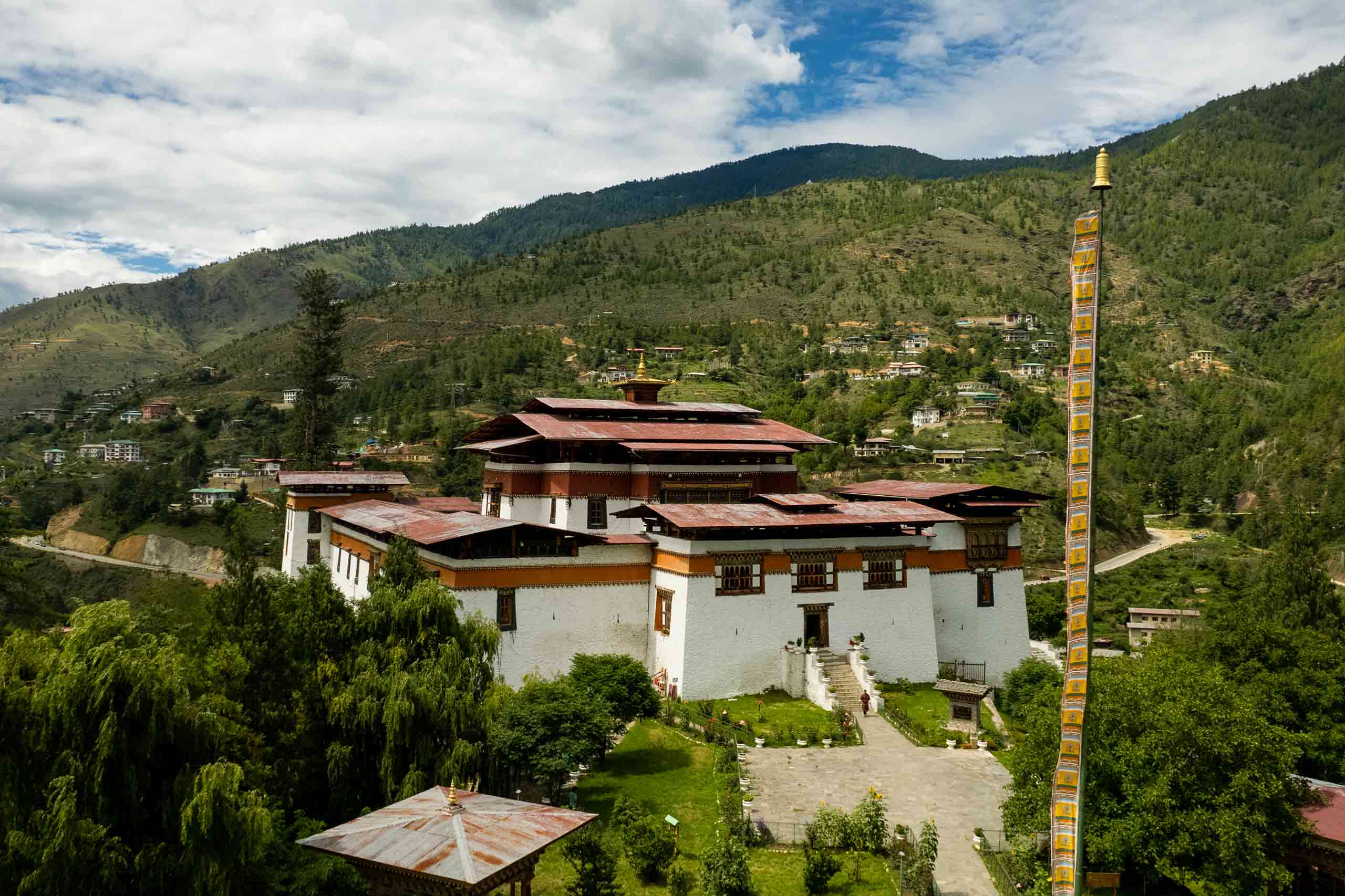
The day begins with a drive to Thimphu, stopping at Tamchoe Lhakhang, a 14th-century temple linked to the great iron bridge builder Thangtong Gyalpo. We will visit Tashichhodzong, the main government complex that houses the throne room of His Majesty the King and also serves as the summer residence of central monastic body. After lunch, we’ll explore the National Library, which preserves a valuable collection of ancient Buddhist texts dating back centuries. Nearby is the Institute for Zorig Chusum, or the Painting School, where students undertake a six-year program mastering Bhutan’s 13 traditional arts and crafts.
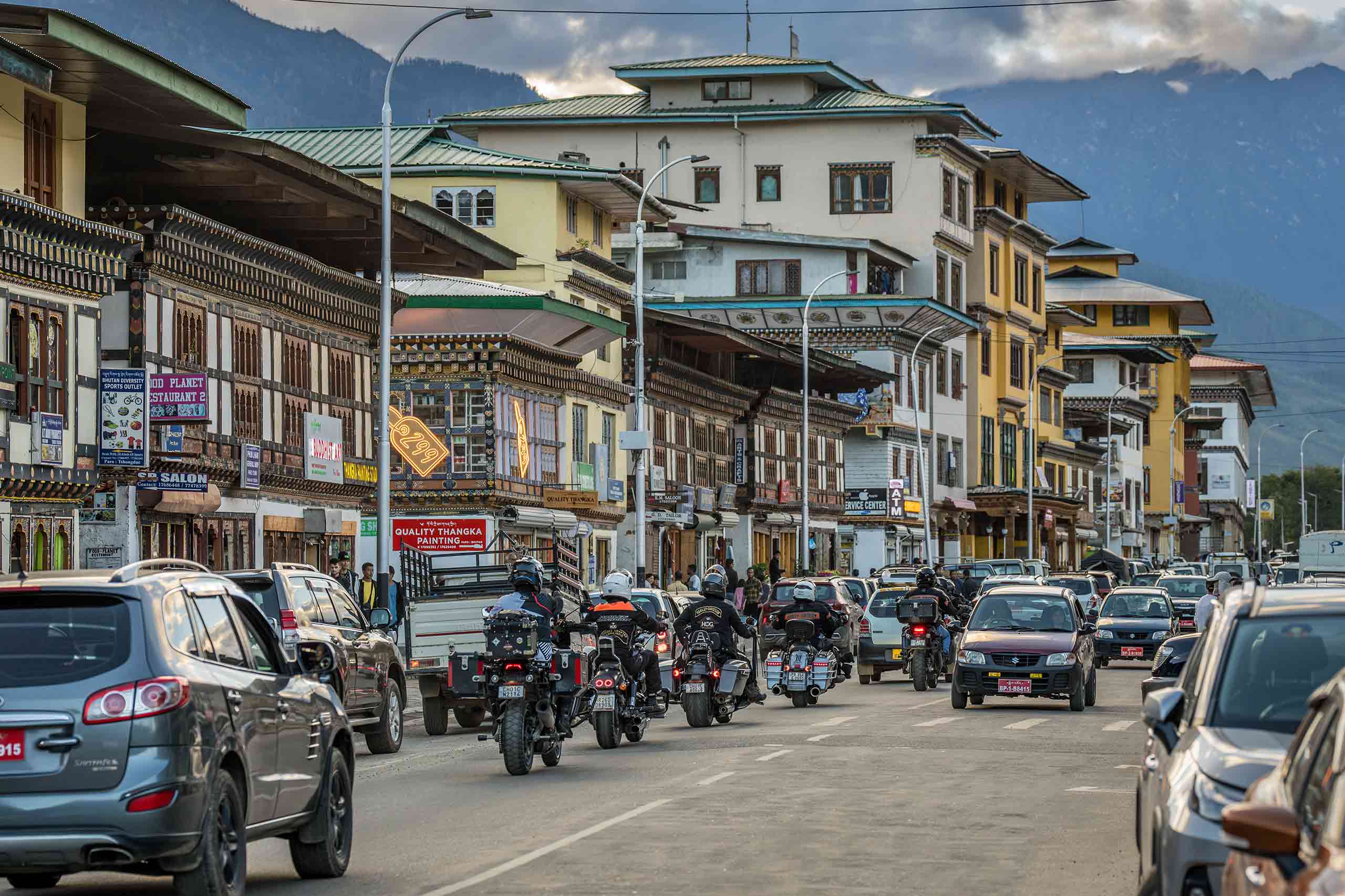
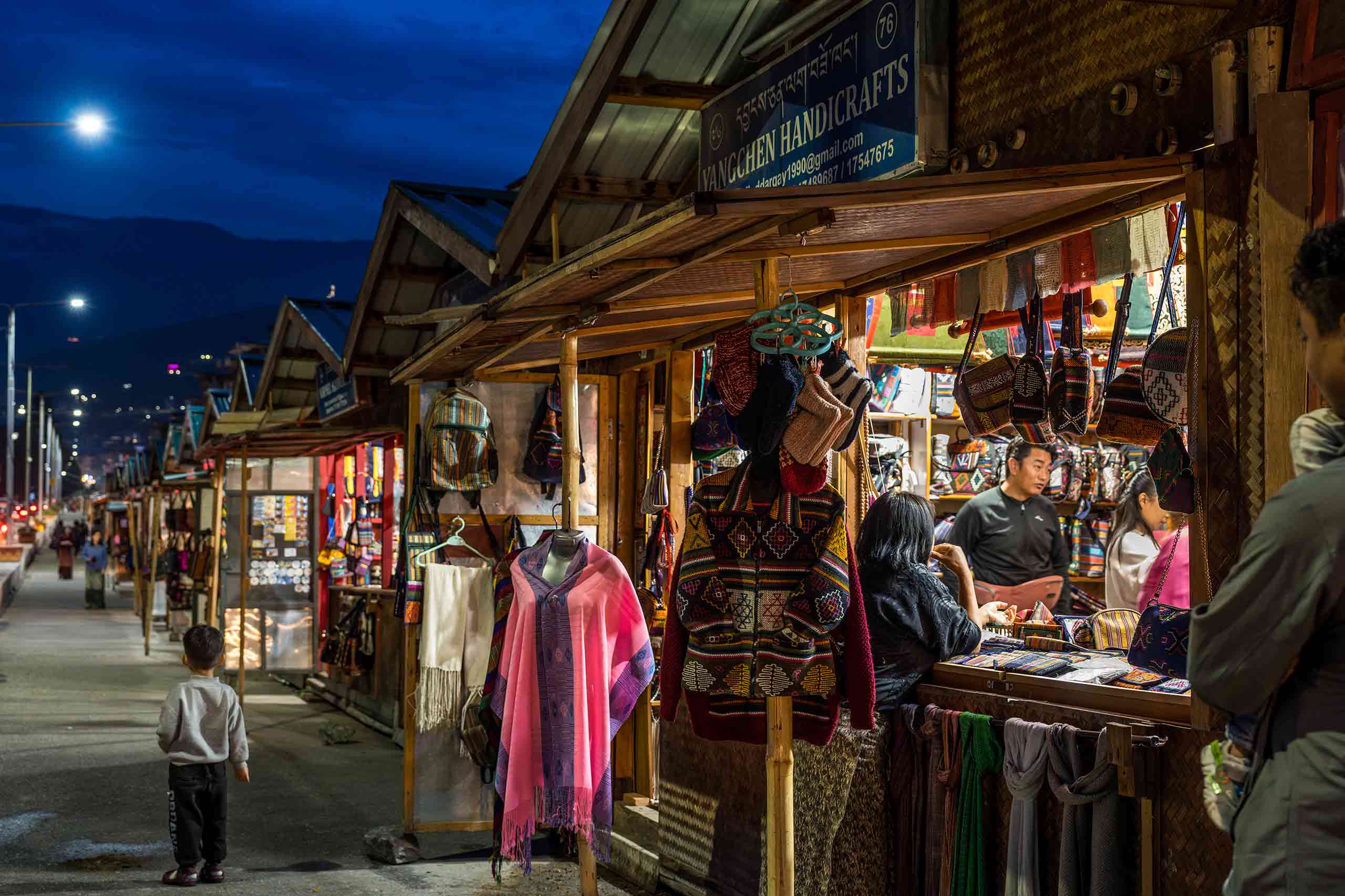
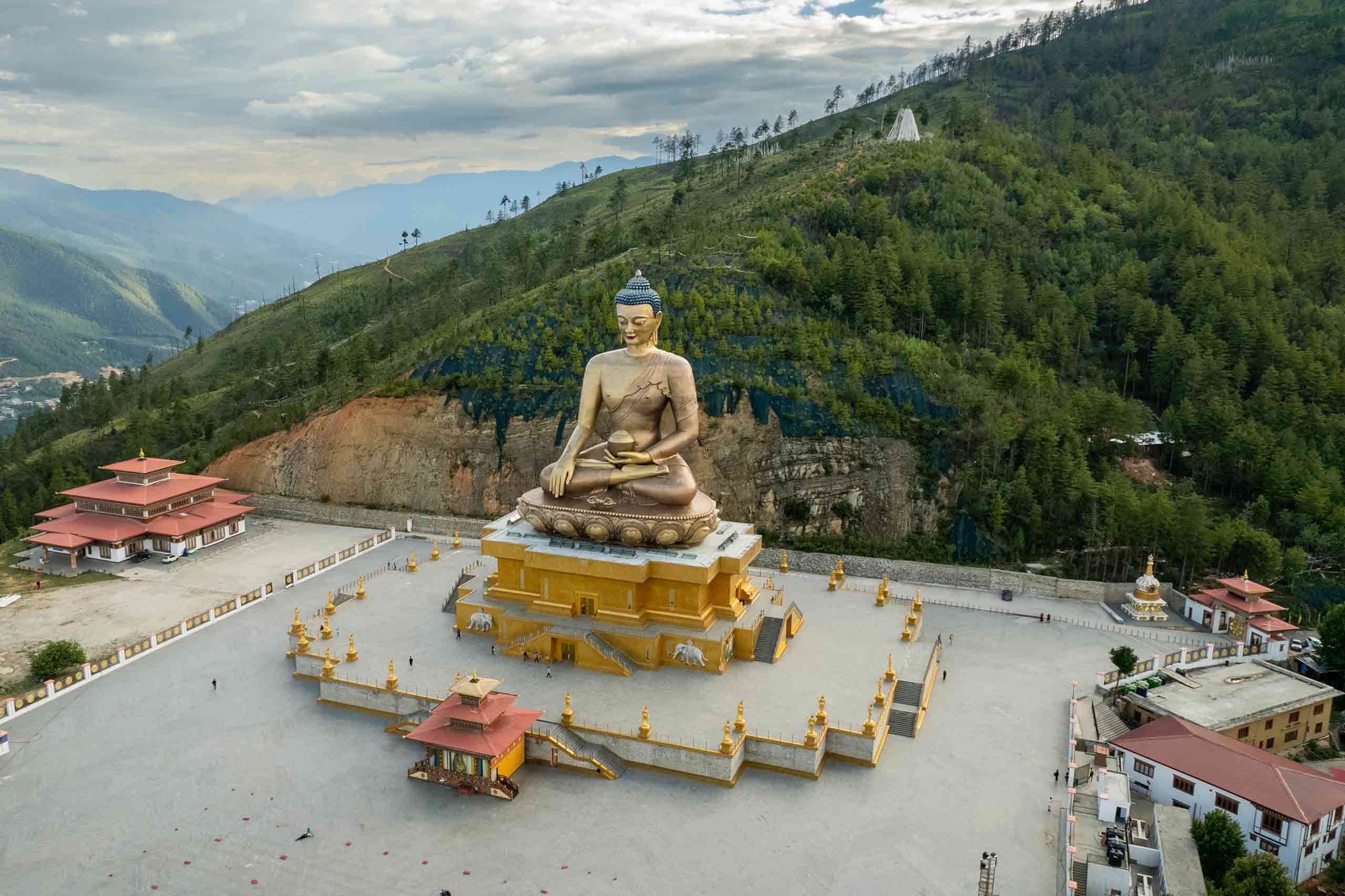
We will also visit the National Memorial Chorten, envisioned by Bhutan’s third king, Jigme Dorji Wangchuck, as a symbol of global peace and prosperity. In the evening, take a relax walk through main street of Thimphu and browse handicraft shops, or unwind at a local café or bar.
Overnight stay at a hotel in Thimphu
After an early breakfast, we will drive to Punakha, stopping at Dochu-la Pass (3,088m) to enjoy panoramic Himalayan views and admire the 108 chortens and prayer flags. Before reaching Punakha, we’ll visit Chimi Lhakhang, a fertility temple dedicated to the eccentric “Divine Madman.” After lunch, we’ll explore the historic Punakha Dzong, the winter seat of the Chief Abbot and a key religious and administrative center.
In the evening, we’ll visit Wangduephodrang Dzong, strategically perched above two rivers, which played a key role in Bhutan’s regional unification.
Overnight stay at a hotel in Punakha/Wangduephodrang
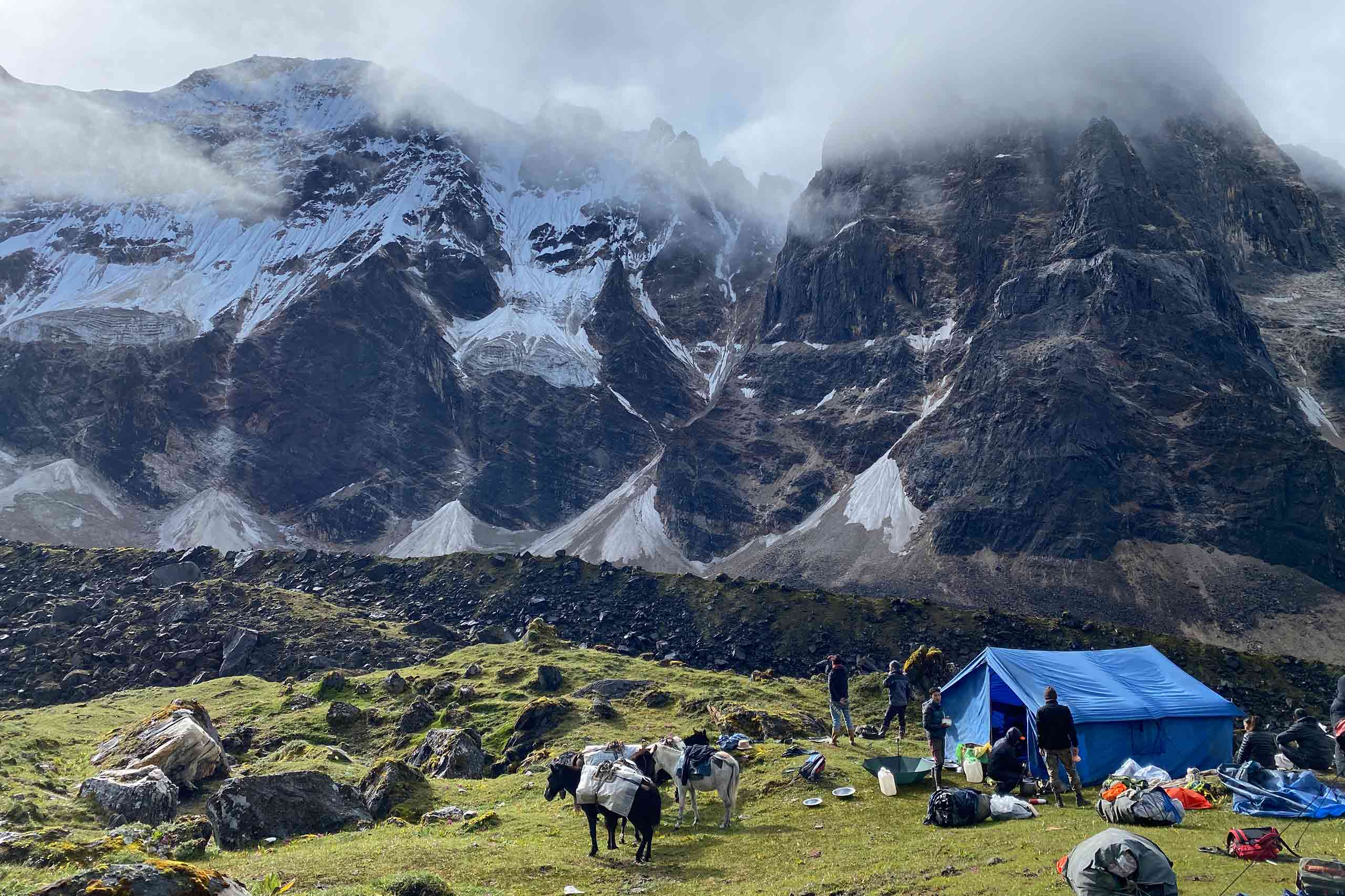
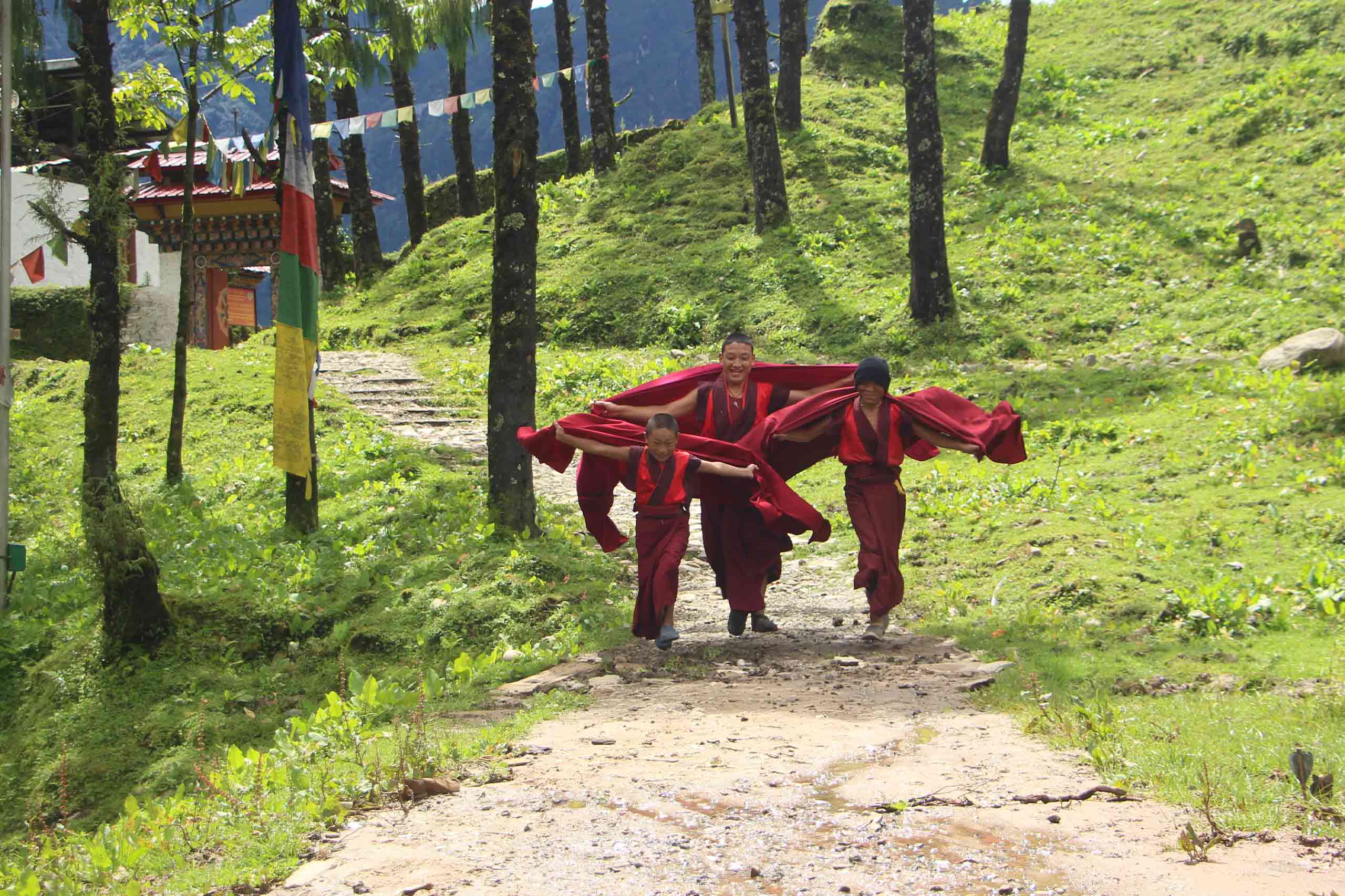
The trek begins along the riverside, following a well-marked trail through lush subtropical forest. The path features wild orchids and dense vegetation—watch out for leeches in damp areas! The day involves a gentle ascent to Damji village (2,400m), where we set up camp for the night.
The trail continues through subtropical forests and villages, leading to Gasa Tshachu, a renowned hot spring known for its healing properties. After lunch near the spring, we climb up to Gasa Dzong (2,900m), where we camp overnight.
After breakfast, visit Gasa Dzong, then begin a steep ascent to Bele-La Pass (3,700m) through mixed forests. From the pass, descend to your forest camp at Chamsa (3,650m) for the night.
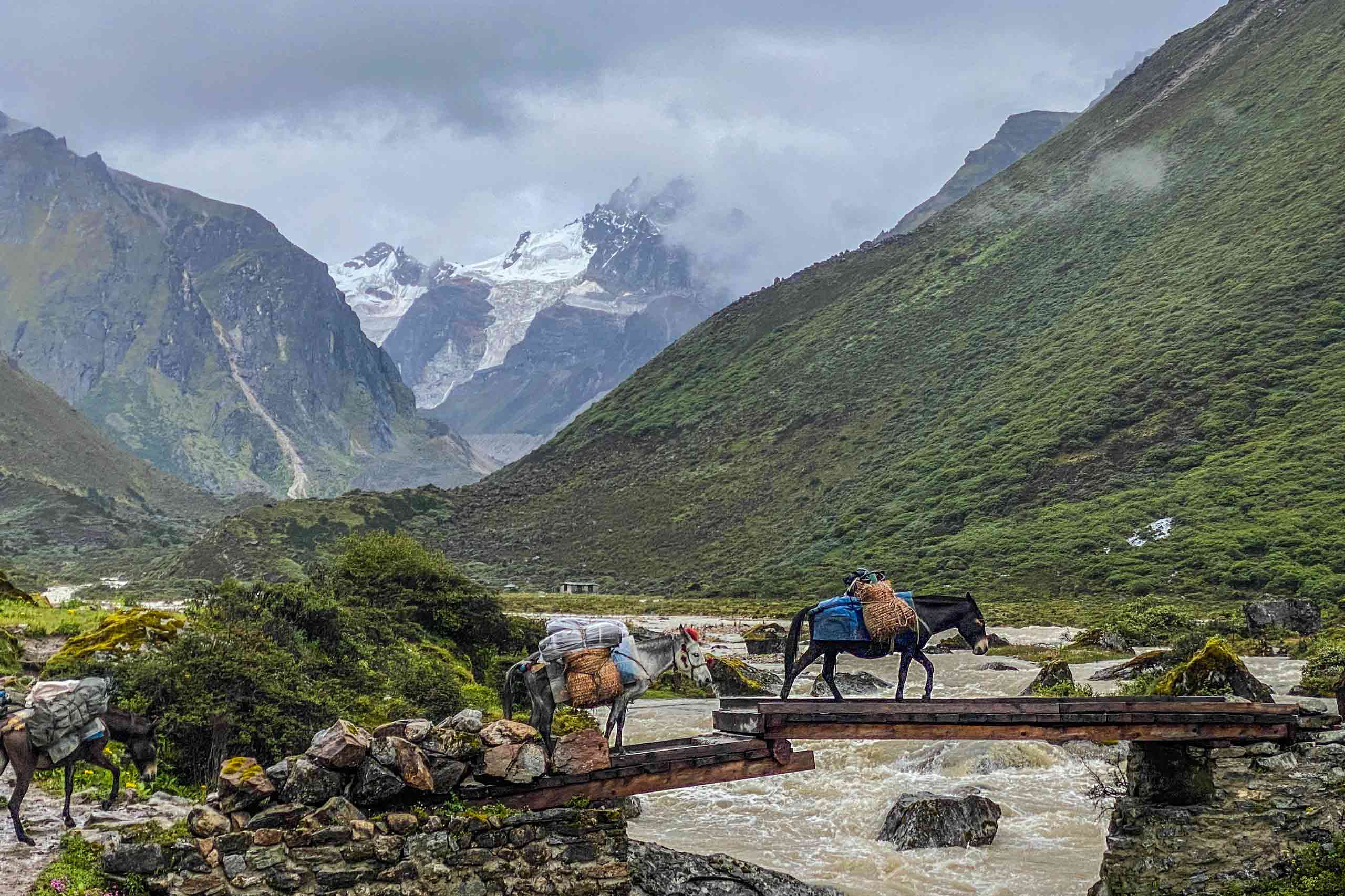
The trail descends to the Mo Chu River, where we cross a bridge and stop for lunch nearby. Afterward, we begin a gradual climb to Laya (3,800m), passing an army camp along the way. Overnight camp at Laya.
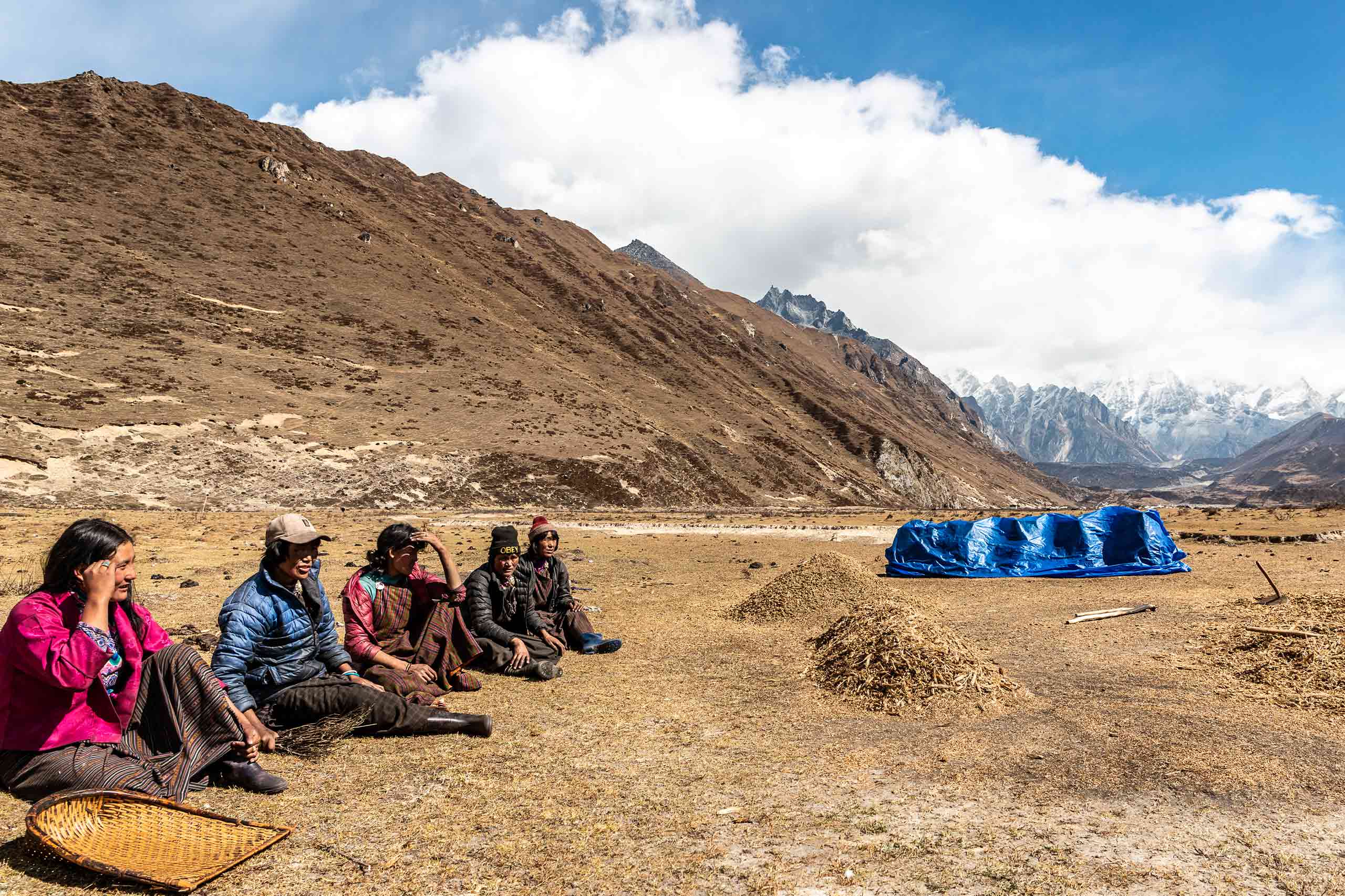
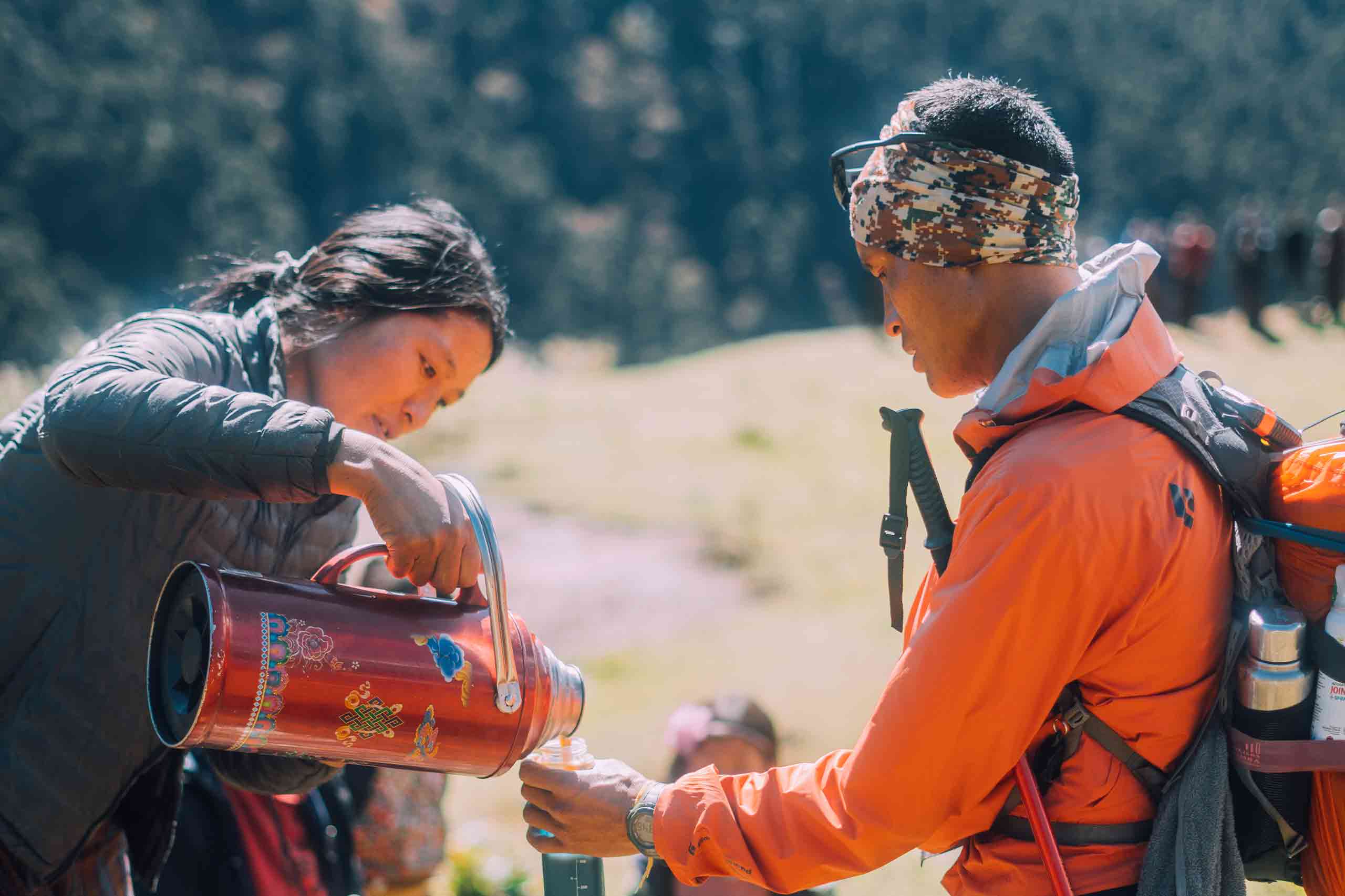
Spend the day exploring Laya village, known for its unique culture and traditions. Visit a local home to experience warm Bhutanese hospitality, where you’re likely to be offered tea and chang, a traditional barley-based alcohol. Overnight camp at Laya.
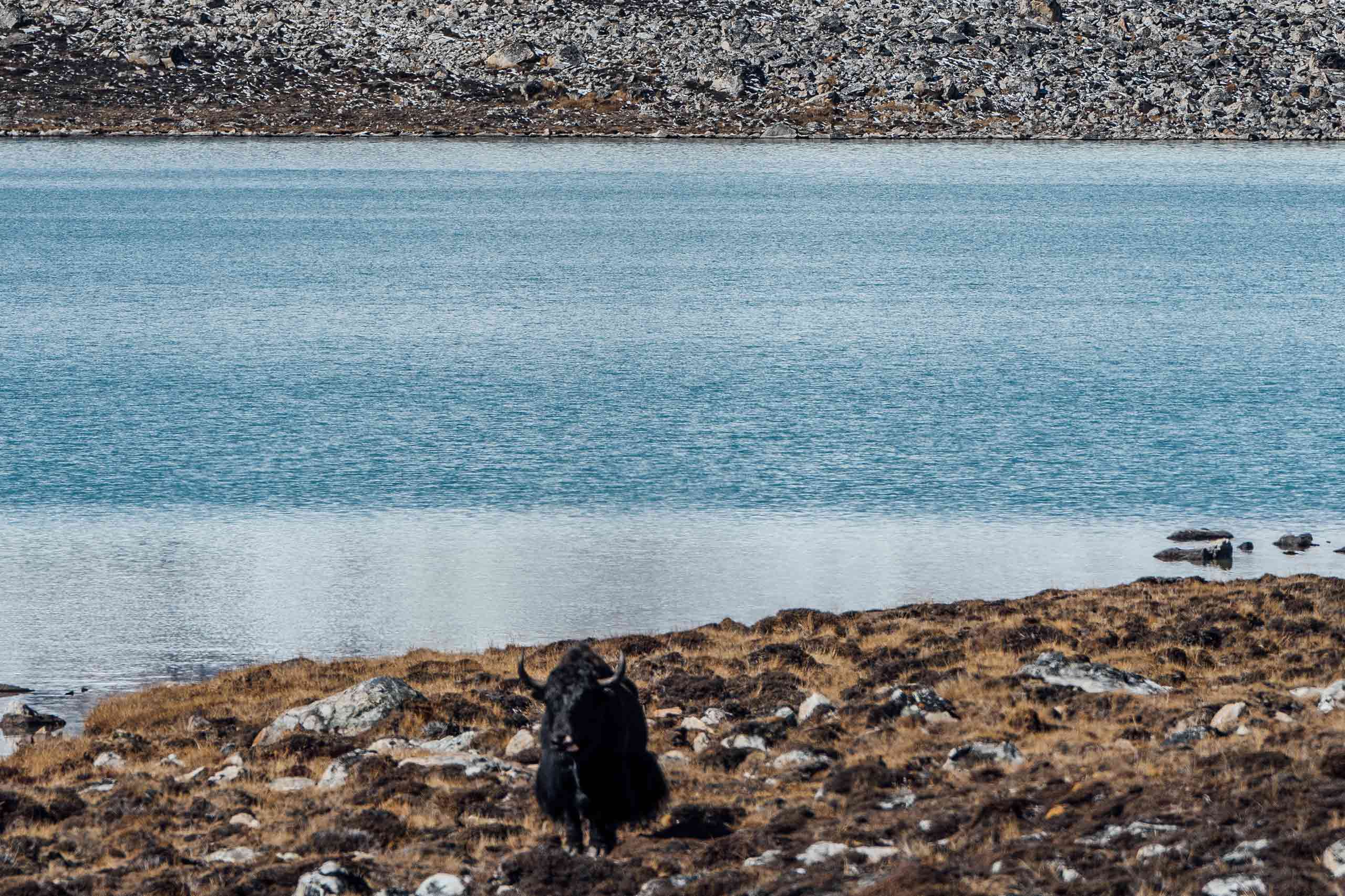
From Laya, descend to the army camp and follow the river trail to the Rhodophu turnoff. After lunch, ascend through beautiful rhododendron forests into a high hanging valley where yaks graze at around 4,350m. Overnight camp by the river in Rhodophu
Continue the journey along the river for about 30 minutes before beginning a steady ascent to a high, open valley at 4,600m, then up to Tsomo La Pass (4,900m). From the pass, enjoy spectacular views of Lunana, Mount Jomolhari, Jichu Drake, and the Tibetan border. The trail then crosses a vast, barren plateau (~5,000m) before reaching the campsite at Narithang, beneath the towering Gangla Karchung peak (6,395m).
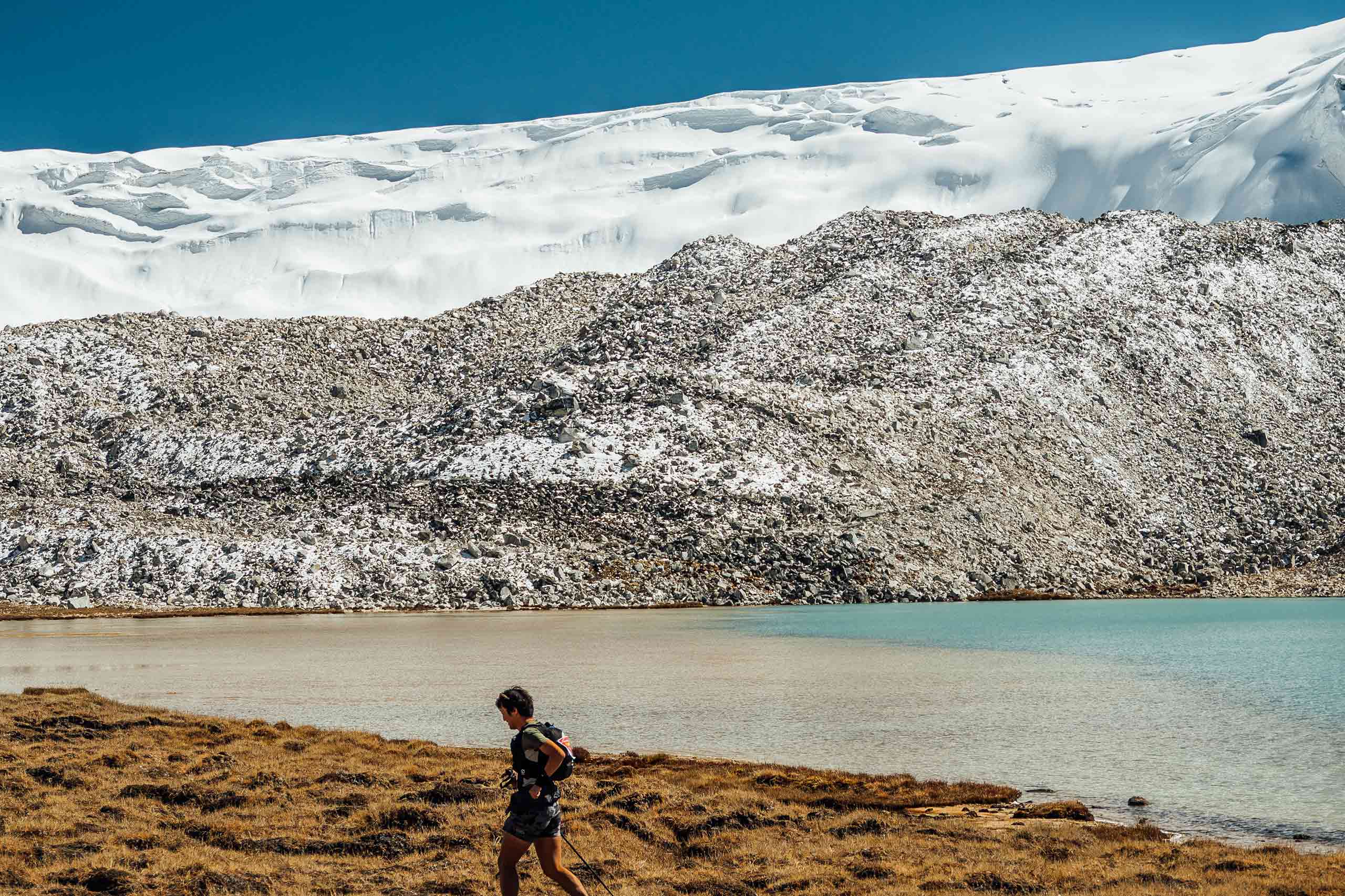
Begin with an uphill trek to Gangla Karchung La Pass (5,120m), offering breathtaking views of peaks like Jekangphu Gang (7,100m), Tsenda Kang, and Teri Gang (7,300m). Descend along a large moraine to witness a massive glacier flowing into a deep turquoise lake—the site of a 1960s glacial lake outburst that partially destroyed Punakha Dzong. The final stretch is a long descent through dense rhododendron forests to Tarina Valley, where we will camp for the night along the Tang Chhu River.
The trail descends through coniferous forests along the upper reaches of the Pho Chu River. It then climbs over a ridge before descending to Wochey (3,800m), the gateway village to the remote Lunana region. We will camp here for the night.
Today’s trek starts with a walk through mixed forests, gradually giving way to vibrant rhododendron thickets. We then ascend to Keche-La Pass at 4,480 meters, followed by a descent with stunning mountain views along the way. The trail continues upstream to Lhedi village (3,650m), where we set up camp for the night.
The trail gently climbs along the river to Choejong village, the largest village in Lunana, where we stop for lunch. After visiting the village temple, we continue a short walk to cross the river via a suspension bridge, then proceed to set up camp at Thanza (4,000m).
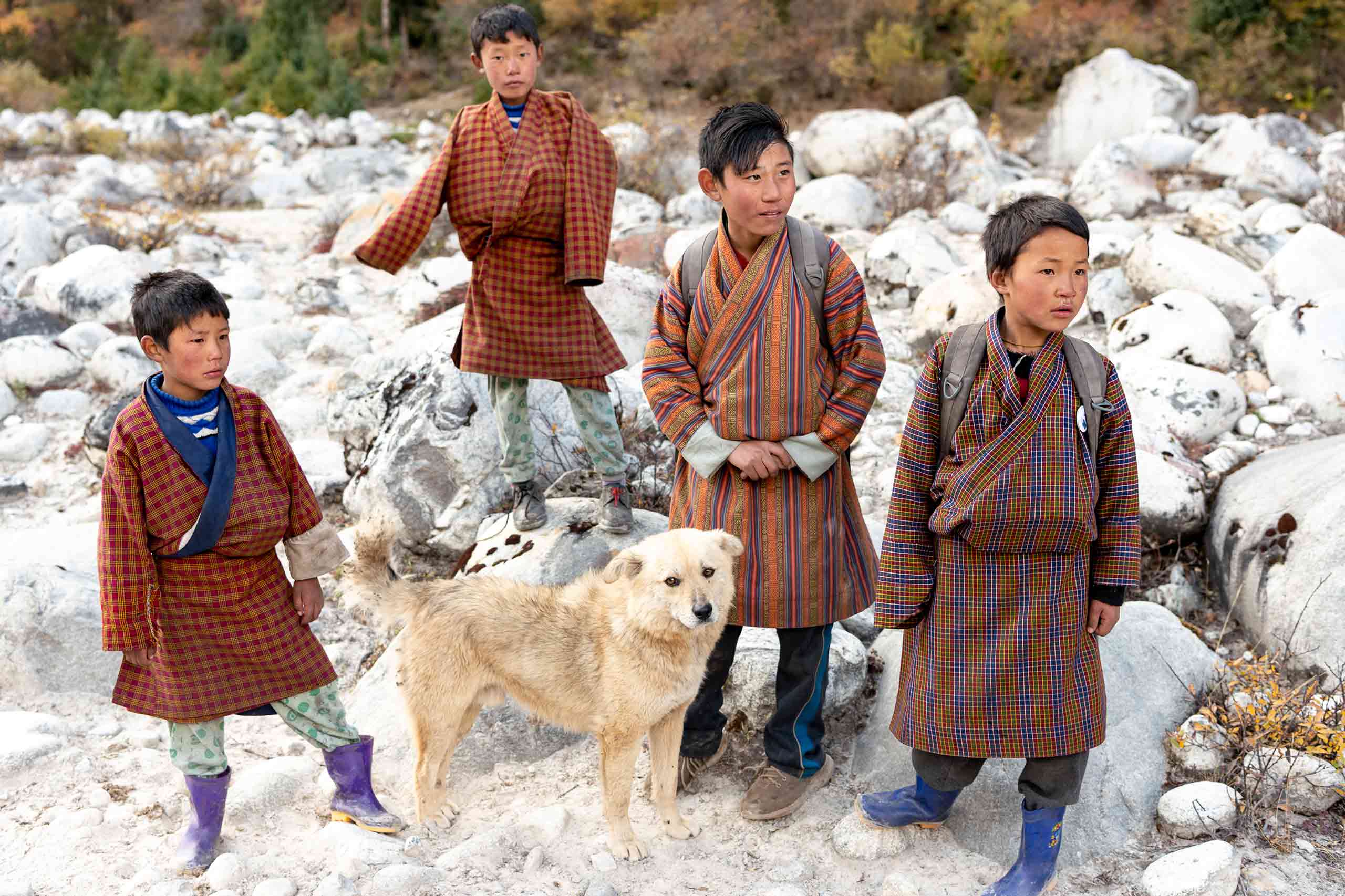
This day offers a chance to either explore Thanza village and interact with the locals or hike up a nearby ridge for stunning views of surrounding lakes and mountains. As new yaks need to be arranged here (since those from Laya do not continue beyond Thanza), a rest day is often necessary.
The trek begins with a climb to a ridge offering stunning views of Table Mountain and the Thanza Valley. Following a stream through a small valley with views of snowcapped peaks, the trail then ascends to the campsite at Tshorim (5,125m).
Today’s trek is a highlight of the journey. It begins with a short climb to Tshorim Lake, followed by a scenic walk around its shores with panoramic views of the Gophula Range. A brief ascent leads to Gophu-La Pass (5,230m), after which the trail descends along a ridge offering breathtaking views of Gangkar Puensum. You can either climb a nearby pyramid-shaped peak for an even better view or continue directly to the base camp (4,970m) near the Sha Chu River.
Take the day to relax and enjoy the surrounding Himalayan landscape.
The trail follows the Sha Chu River, gradually descending through the valley to Geshe Woma (4,200m), where we set up camp for the night.
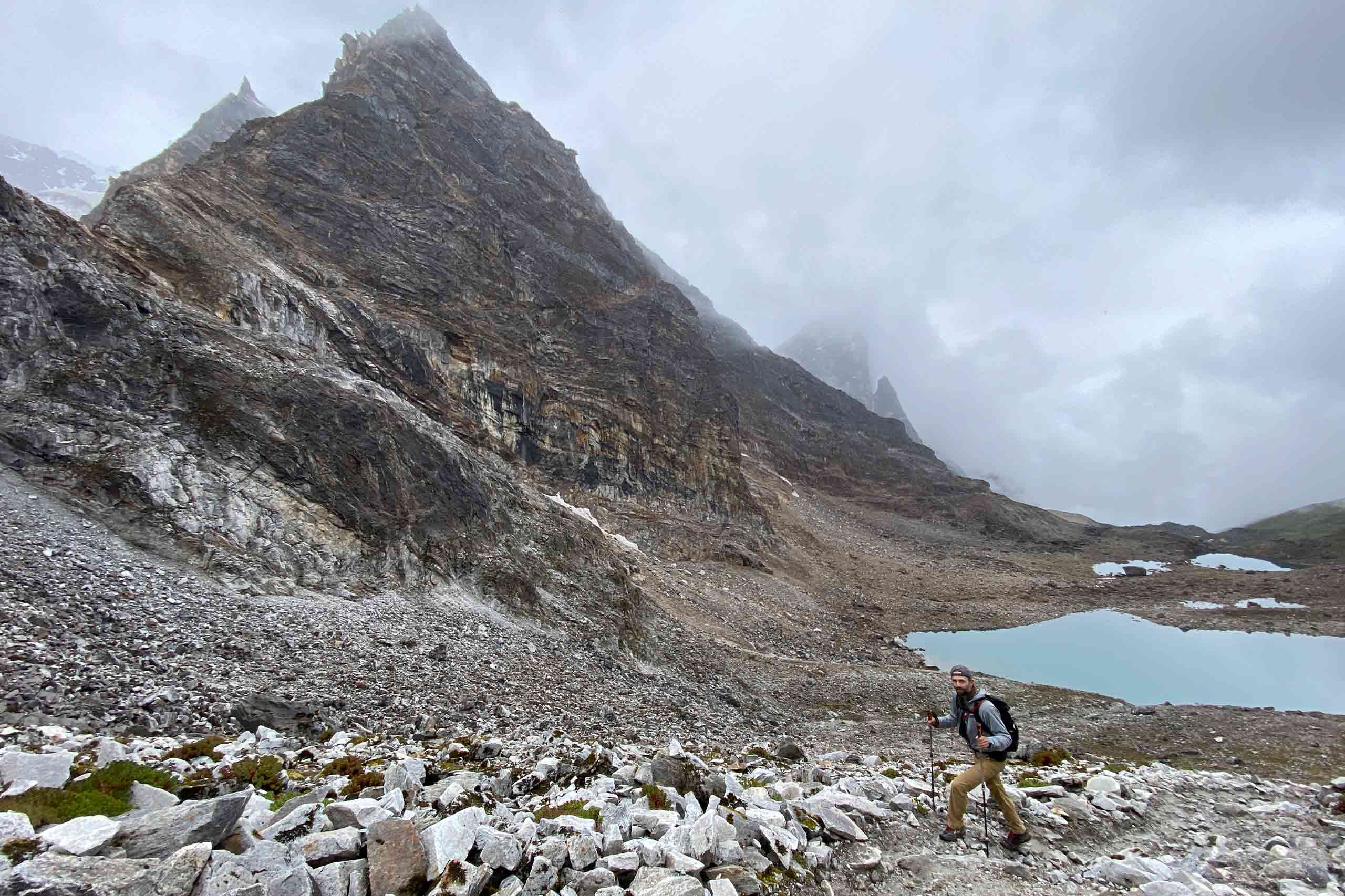
The trail continues along the Sha Chu River before ascending to Saka-La Pass (4,800m). As visibility can be limited, careful navigation is required near the ridge. The pass offers stunning views of small alpine lakes nestled below towering peaks.
Overnight camp at 4,000m
After a short 30-minute climb to Juli-La Pass (4,400m), the trail descends through thick forests of rhododendron, juniper, and conifers down to the riverbank. Crossing a bridge and a brief climb bring you to Dhur Tshachu hot spring, a sacred site where, according to legend, Guru Padmasambhava bathed in the 8th century.
From the spring, the trail ascends steadily, providing magnificent views of the Lunana mountain range. As the terrain levels off, you will encounter several striking deep-blue lakes, lush pastures where yaks graze, and a traditional yak herders’ camp situated at an elevation of 3,850 meters.
On the final day of the trek, we set off very early to ensure arrival in Bumthang before nightfall. The trail follows the Chamkhar Chu River, descending gradually with only a few minor climbs. The trek concludes upon reaching Dhur village, where transportation will be waiting to transfer you to your lodge in Bumthang (Jakar).
Bumthang, known as the spiritual and cultural heart of Bhutan, offers a rich day of exploration. Key sites include Kurje Lhakhang, believed to bear the body imprint of Guru Rinpoche, the ancient Jambay Lhakhang from the 7th century, the impressive Jakar Dzong, and Tamshing Monastery, home to some of Bhutan’s oldest wall paintings. Overnight stay is at a guesthouse in Bumthang.
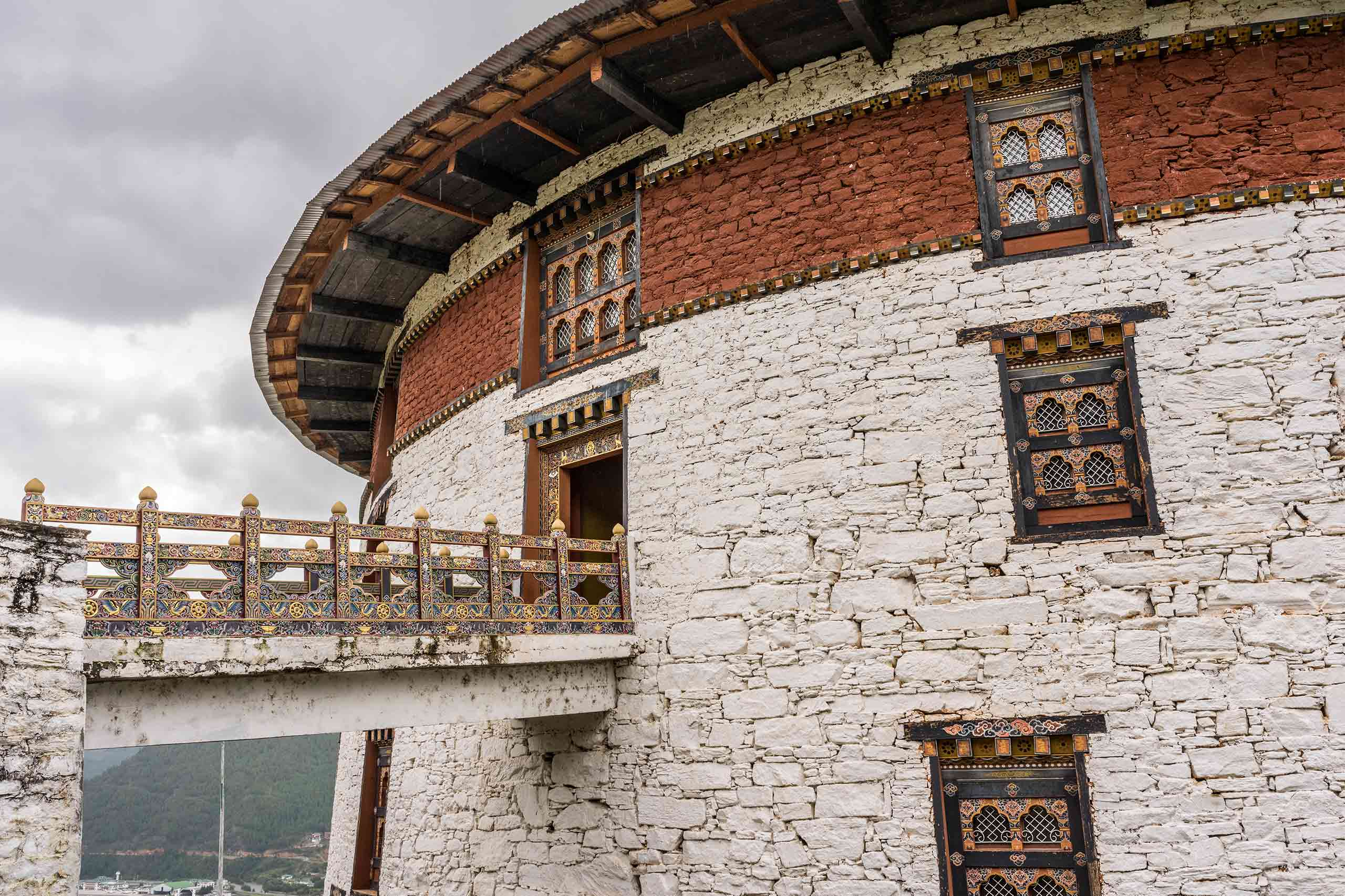
After breakfast, we’ll embark on a scenic three-hour drive to Trongsa. Our first stop upon arrival will be Ta Dzong, a distinctive five-storied cylindrical stone tower. This historic structure houses an impressive array of artifacts, including ancient prayer texts, scrolls, and traditional paintings. We’ll then continue to Trongsa Dzong, once the powerful administrative and religious center for central and eastern Bhutan.
Overnight stay at a hotel in Trongsa.
After early breakfast, we will begin our journey back to Thimphu. The drive continues through the mountains towards Wangduephodrang, where we’ll take a short break for tea or coffee. Upon arrival in Thimphu, we’ll check in at the hotel, followed by dinner and an overnight stay.
After early breakfast, we will begin our journey back to Thimphu. The drive continues through the mountains towards Wangduephodrang, where we’ll take a short break for tea or coffee. Upon arrival in Thimphu, we’ll check in at the hotel, followed by dinner and an overnight stay.
Disclaimer: All Bhutan tours and treks are private and fully customizable. You can schedule on your preferred dates within the trekking season. You can tailor the itinerary to focus on your interests by clicking the ‘Tailor-Design this Tour’ tab.
What is included
- Bhutan Tourist Tariff, Royalty & Visa fees.
- All private excursions and transfers in superior air-conditioned vehicle.
- Local English speaking guide/tour leader.
- Experienced driver
- All entrance fees and permits.
- Double room on twin sharing basis in government approved 3 star hotels
- All three meals (does not cover water and other beverages ordered in hotels/restaurants)
- Bottled mineral water for the entire trip
- Afternoon tea and snacks
What is not included
- All personal expenses such as bars, beverages, laundry, telephone and tips.
- Health / Travel Insurance.
- Any other beverages (alcoholic or non-alcoholic) including water ordered in restaurants and hotels