Accessibility
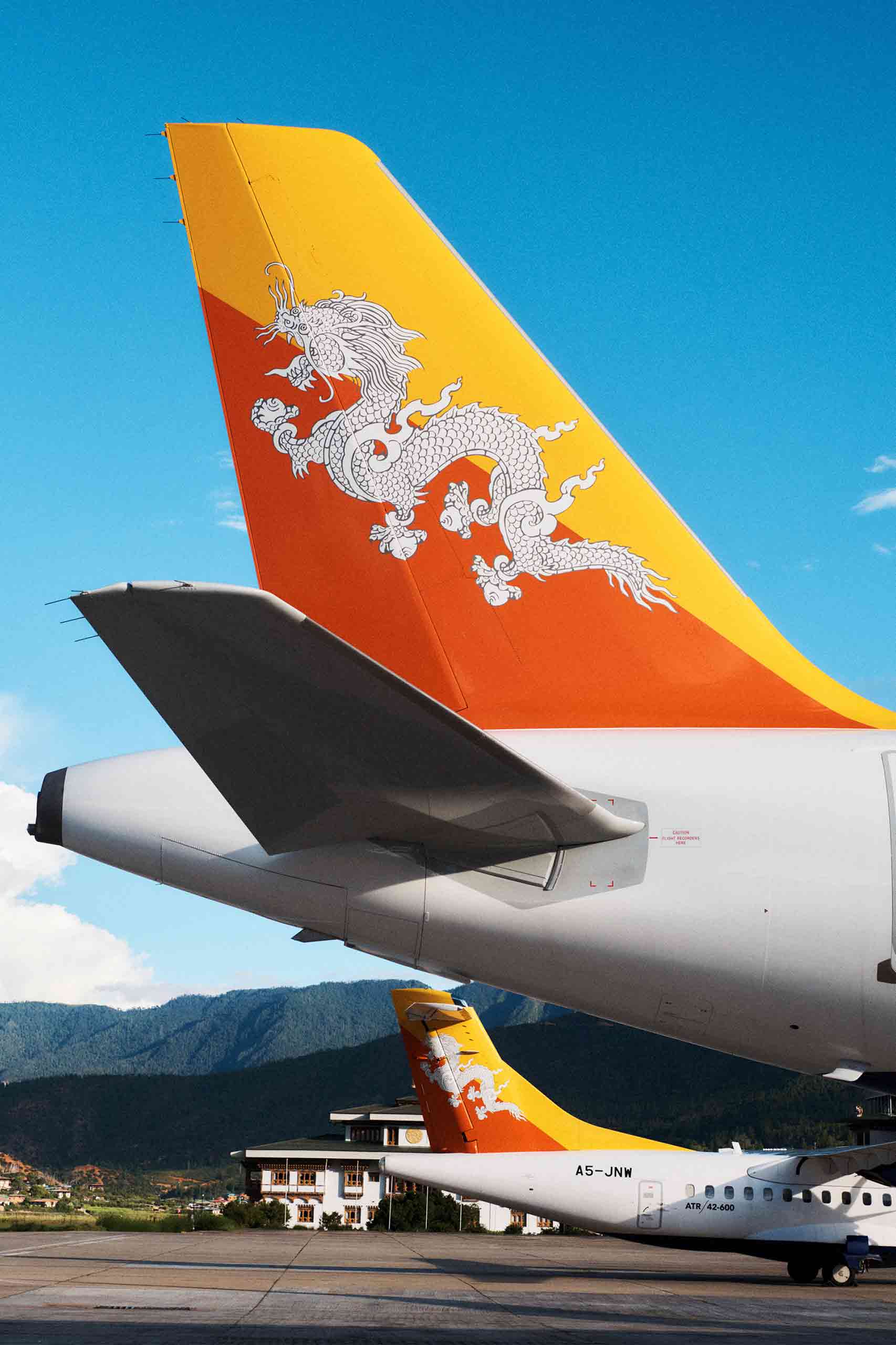
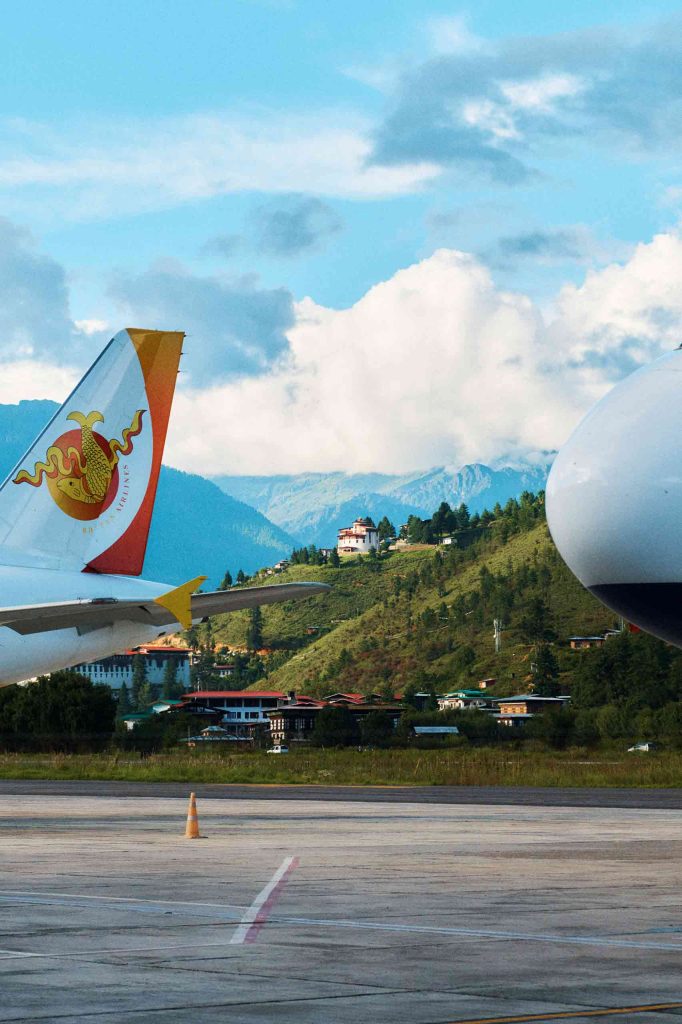
Air Travel to Bhutan
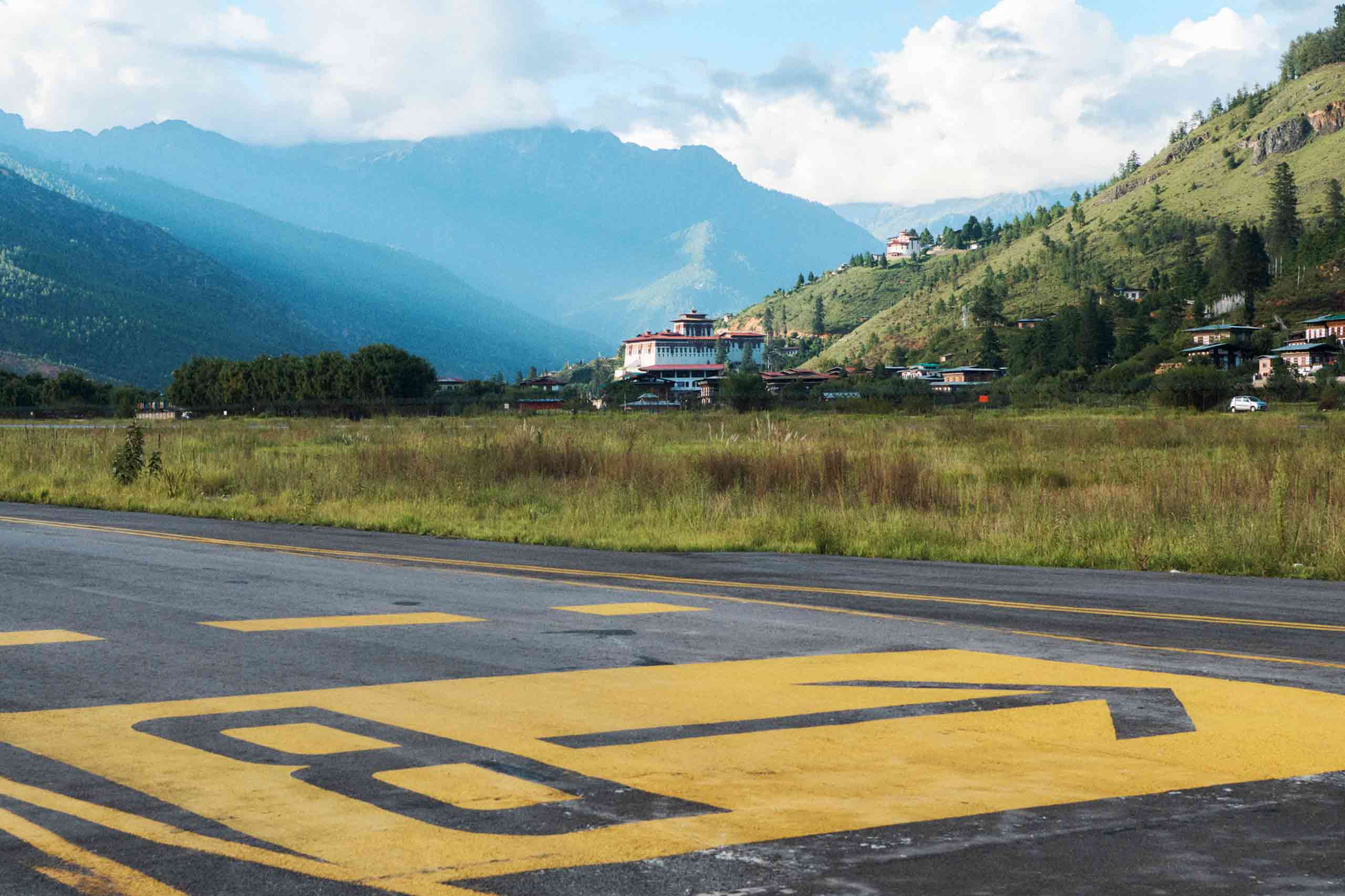
Bhutan is served by two national airlines: Druk Air and Bhutan Airlines. International flights operate in and out of Paro International Airport, connecting Bhutan to the following cities:
- Bangladesh: Dhaka
- India: Bagdogra, Guwahati, Kolkata, New Delhi, Mumbai, Bangalore
- Nepal: Kathmandu
- Singapore
- Thailand: Bangkok
Due to unpredictable weather in the region, flights may experience delays. We strongly recommend allowing at least 24 hours of transit time between your international flight and any connecting Druk Air or Bhutan Airlines flight (both incoming and outgoing).
Travel to Bhutan by Road
Bhutan shares four official land entry points with India:
- Samtse (Western Bhutan)
- Phuentsholing (Western Bhutan)
- Gelephu (Central Bhutan)
- Samdrup Jongkhar (Eastern Bhutan)
Each entry point offers access to different regions of Bhutan and serves as a gateway for travelers combining visits to Bhutan with nearby Indian states.
- Phuentsholing
Located in southwestern Bhutan, Phuentsholing is approximately a 4-hour drive from Bagdogra Airport, West Bengal. It is an ideal entry or exit point for travelers visiting West Bengal and Sikkim. - Gelephu
About 6 hours by road from Bagdogra Airport, Gelephu connects southern Bhutan with Assam, West Bengal, Sikkim, and the North Eastern states of India. - Samdrup Jongkhar
Situated in southeastern Bhutan, this town is around 3 hours’ drive from Guwahati, the capital of Assam. It’s a convenient gateway for travelers exploring Assam and the other North Eastern Indian states.
Domestic Airports in Bhutan
Bhutan is connected internally by four airports:
- Paro (International Airport – Western Bhutan)
- Bumthang (Central Bhutan)
- Gelephu (Southern Bhutan)
- Yonphula (Eastern Bhutan)
While the airlines strive to maintain regular schedules, Bhutan’s mountainous terrain and micro-climates—especially at Yonphula Airport—can lead to occasional flight delays or cancellations, particularly during the summer months.
Helicopter Services
Druk Air, Bhutan Airlines and Heli Bhutan provide helicopter services and offers private charter options across Bhutan, such as:
- Heli-hiking
- Scenic flights
- Quick access to remote regions
Helicopters operate only in clear and calm weather conditions, and services may be limited during periods of poor visibility.
Tourism Policy
The Sustainable Development Fee (SDF) is a daily levy paid by international visitors to Bhutan, supporting the country’s high-value, low-impact tourism model. Collected by the national exchequer, the SDF funds vital national initiatives, including free healthcare and education, environmental conservation, cultural preservation, infrastructure development, and local economic support. It also plays a key role in maintaining Bhutan’s carbon-neutral status and protecting its rich forest cover. By contributing to the SDF, visitors help ensure that tourism benefits the Bhutanese people while preserving the country’s unique environment and cultural heritage.
The Sustainable Development Fee (SDF) is USD 100 per night for all international adult visitors, except Indian nationals. Children aged between 6 and 11 years are eligible for a 50% concession and pay USD 50 per night, while children below 6 years of age do not have to pay any SDF. For Indian nationals presenting a valid Indian passport or Voter ID card, the SDF is Nu. 1,200 (or the equivalent in Indian rupees) per person, per night. Indian children aged between 6 and 11 years have to pay Nu./INR 600 per night, and those under 6 years of age do not have to pay any SDF.
Tourist Visa
All international travelers require a visa to enter Bhutan. Tourist visas are not issued by any foreign embassy or agents outside of Bhutan. Visas are processed through a licensed Bhutanese tour operator, such A Solitary Monk Travels. Visas are processed only after full payment is received and typically take up to five working days. The following documents are required for tourist visa:
- A passport copy send via email (a passport must be valid for six months before your departure from Bhutan).
- Travel insurance valid for the entire duration in Bhutan.
- A recent passport size photograph.
- A non-refundable visa fee of USD 40 per person.
Travel by air
Visa applications for Bhutan are processed in advance, and a visa clearance document will be sent to you once approved. This document is mandatory for check-in and boarding your flight to Bhutan. The actual visa will be stamped on your passport upon arrival at Paro International Airport.
Travel by Land
Visa applications for Bhutan are processed in advance, and a visa clearance document will be forwarded to you via email once approved. This document is required at the Immigration Checkpoints when entering Bhutan via the border towns of Phuentsholing, Samdrup Jongkhar, or Gelephu. The actual visa will be stamped on your passport upon arrival at these checkpoints. A passport-sized photograph is not required for entry at the land borders; however, fingerprints and photographs will be taken at the Immigration Checkpoints in Phuentsholing, Gelephu and Samdrup Jongkhar.
Travel tips to Bhutan
A Solitary Monk Travels will help you with all the preparations for your trip to Bhutan. Provide us your passport details and we will help you with the processing of tourist visa and flight ticket.
- Dzongkha is the national language of Bhutan and English is commonly spoken across the country.
- Bhutan time is 6 hours ahead of GMT and there is only one time zone throughout the country.
- No vaccinations are currently required for travelling to Bhutan.
- Bhutan is very safe, but visitors should still take precautions. Keep valuables like passports, wallets, and cameras secure, and avoid leaving them in plain sight. Drink only bottled or treated water, and avoid ice, as most tap water is untreated. Travelers prone to motion sickness should bring medication due to winding mountain roads. Carry any regular or necessary medications, including those for recurring conditions like asthma.
- We strongly advise all travelers to obtain comprehensive travel and medical insurance prior to travelling to Bhutan, to ensure coverage in case of unforeseen circumstances or emergencies.
- Bhutan’s currency is the Ngultrum (Nu.), which is pegged to the Indian Rupee. Tourists are advised to carry their money in the form of traveller’s cheques (preferably American Express) and cash, with US dollars being the most widely accepted for incidental expenses and purchases.
- Credit cards (mainly Visa and MasterCard) are accepted at some hotels and shops, usually with a surcharge. ATMs in Thimphu and Paro allow withdrawals of Nu. 18,000–30,000 (USD 300–500) per day using Visa/MasterCard debit or credit cards, with a small fee.
Contact Us
get in touch with our team
Have questions or need more information? Get in touch with us today, and let us help you plan your perfect Bhutan adventure!